What’s Changing in Field Ticketing?
A field ticket is the direct record of a job; what was done, by whom, with what equipment, and the time it took to complete. They create foundations for processes to come, including payroll, invoicing, inventory tracking, and even the overall project management. But imagine if this field ticket went missing… how would all your downstream processes react?
In the past, these field tickets were created manually, with paper slips completed by field crew at the end of a job and brought back to the office. These documents, being passed around by admin, often reviewed and re-written, finally make it into the accounting software and the client after quite a large chunk of time. It’s a simple system that is easier to understand, but when you look at scalability, this may not be the right solution, especially when you’re looking at timely and accurate results.
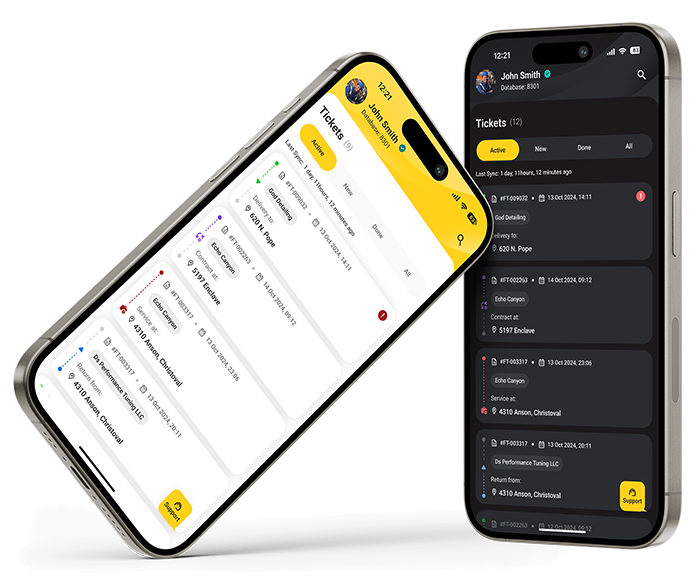
Digital field tickets flip that equation. Instead of waiting for that information to trickle in from all your job sites, companies invest in field ticket software to enable real-time data capture from the many remote operators job sites.
More important than the how, is the why – and that is where this seemingly complicated transition becomes worth discussing.
Why the Switch is Happening Now
This shift becomes more about recognizing the faults in our older systems than implementing newer technologies.
-
The Cost of Delay
Every day that one field ticket sits in line, waiting to be looked at, is a delay in your own cash flow. In fast-paced service environments—especially in the oil and gas sector—even a few days can make a significant difference in recognizing revenue and satisfying your clients. Digital field tickets remove this bottleneck, empowering companies to close the gap between job completion and invoice delivery.
-
The Hidden Price of Error
Handwritten tickets often come with inconsistent formats, and manual data re-entry contributes to a higher risk of mistakes. Whether it’s a decimal point in the wrong place or a missed signature, these small errors can slow down approvals, create client disputes, and erode brand integrity.
-
The Need for Visibility
Managers are unable to make real-time decisions when they’re waiting on paperwork. Digitized field tickets give operations and finance teams excellent visibility into job statuses, resource usage, and overall field activity. This level of transparency helps leadership respond quickly to issues that could lead to downtime or delays.